Country Club of Buffalo Foundation

About The Foundation


In recognition of The Country Club of Buffalo’s unique architectural legacy and its original Donald Ross designed golf course, in 2024 the Country Club of Buffalo Foundation, Inc. was established. Founded as a public charity and serving the general public by restoring and preserving the historical properties of the Country Club of Buffalo in Williamsville, New York to be enjoyed, viewed, and studied by future generations.

The Foundation is governed by a Board of Directors. The Directors provide and administer grants for eligible projects that satisfy the Foundation’s Mission.

The Country Club of Buffalo Foundation, Inc is a recognized public charity under Internal Revenue Code Section 170, EIN 33-1561157.
The Club


The Country Club of Buffalo was founded in 1889 and has had three locations. The first clubhouse was built by E.B. Green at the corner of Elmwood Avenue and Nottingham Terrace in the City of Buffalo. There were stables, a polo field, and golf holes in the Delaware Meadow area. The club was forced to move when the clubhouse became the Women’s Building for the Pan American Exposition in 1901. The club relocated to Main Street and Bailey Avenue, referred to as The City Line, for its next location. The second clubhouse was built by George Cary. The 18 hole golf course was originally designed by Ganson Depew and Walter Travis and was intentionally set up around the polo field. Part of the field served as the space for Horse Shows, Automobile Shows, and Carriage Races. The site was 111 acres and became too small for the long-term needs of the club. The City Line clubhouse and grounds were sold to the City of Buffalo in 1925 and became Grover Cleveland Golf Course.   

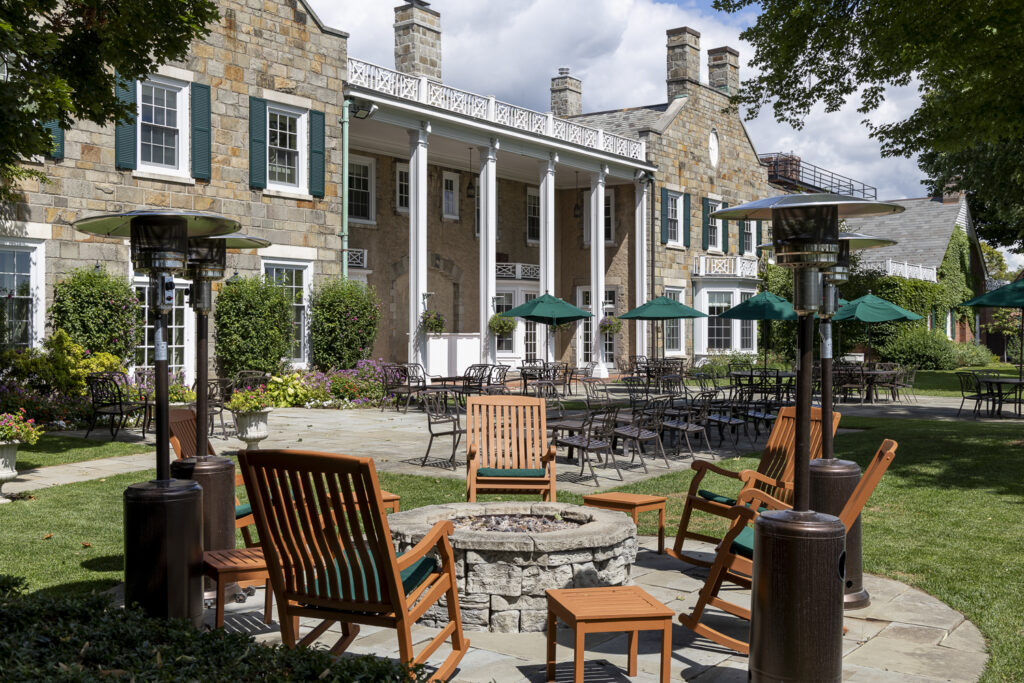
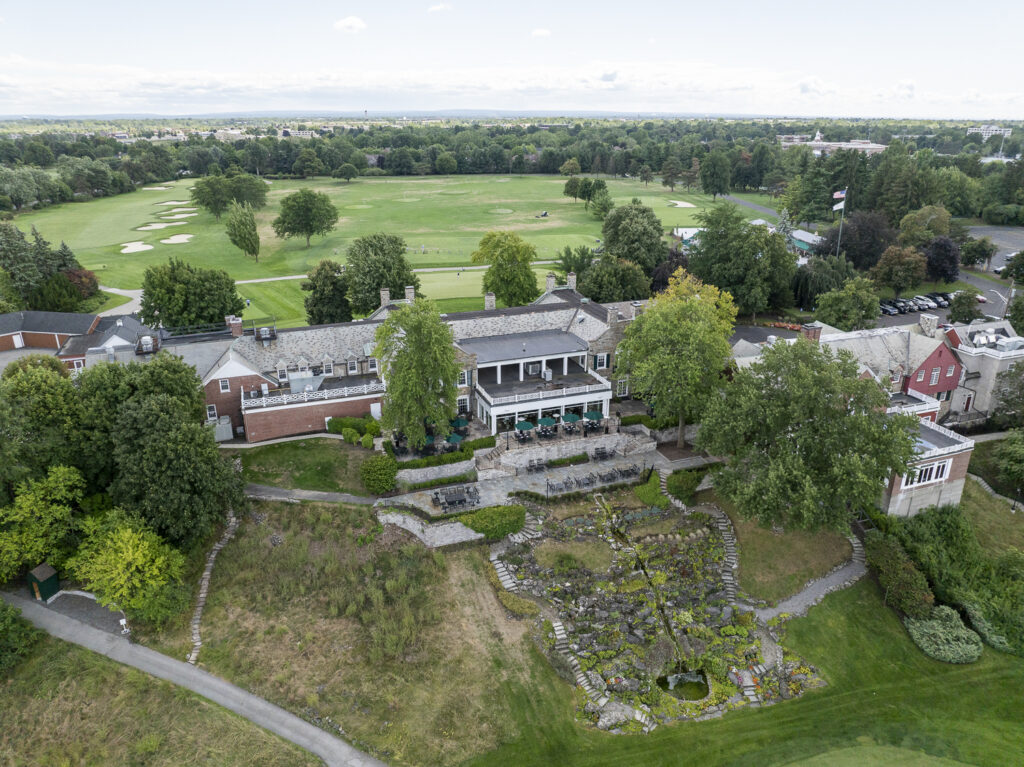
From 1919 to 1931, the club bought and accumulated nine properties that merged to become the final location in Williamsville. The current campus is on 253 acres centered on the Onondaga Escarpment. The 1926 clubhouse is the iconic symbol of the club and was designed by prominent architects Lawrence Bley and Duane Lyman.  The authentic character and details have proven to be timeless. Incredible in stature, majestic in views, and unique in its style, the clubhouse continues to leave an indelible imprint on all those who walk through its doors.  

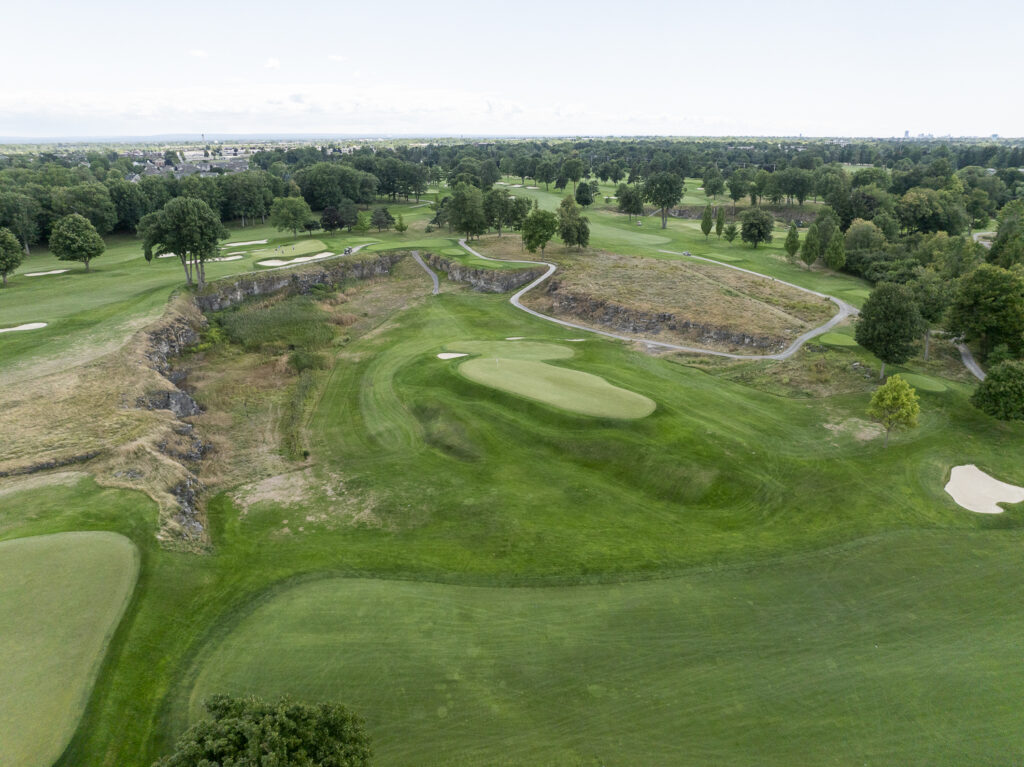
In 1926, the club promoted various social activities and featured numerous sporting games for its members. Tennis, outdoor skating, and equestrian sports like polo and horse shows remained popular. The request by The Hunt Club to utilize the vast farmlands and merge into the Country Club brought shooting, skeet, and trap to the club. In 1926, Donald Ross showcased his brilliance in designing a monument to the Golden Age of American golf. Ross incorporated the unique beauty of a limestone quarry into six of its holes. In addition, he created a rock garden dramatically running down from the clubhouse to the 18th green. The club and golf course have long played an important role in the history of golf.

From being a beacon for Championship Amateur golf to celebrating family events, the Country Club of Buffalo continues to write history and produce cherished memories.

Preservation Opportunity


The Founders of the Country Club of Buffalo Foundation, Inc. recognize the importance of its architecturally significant structures and are motivated to preserve such structures as important historic features. In furtherance of its mission, the Foundation will consider grant applications for projects that support charitable and educational purposes consistent with the Foundation’s section 501(c)(3) status. The Foundation cannot make grants to for-profit or commercial organizations.